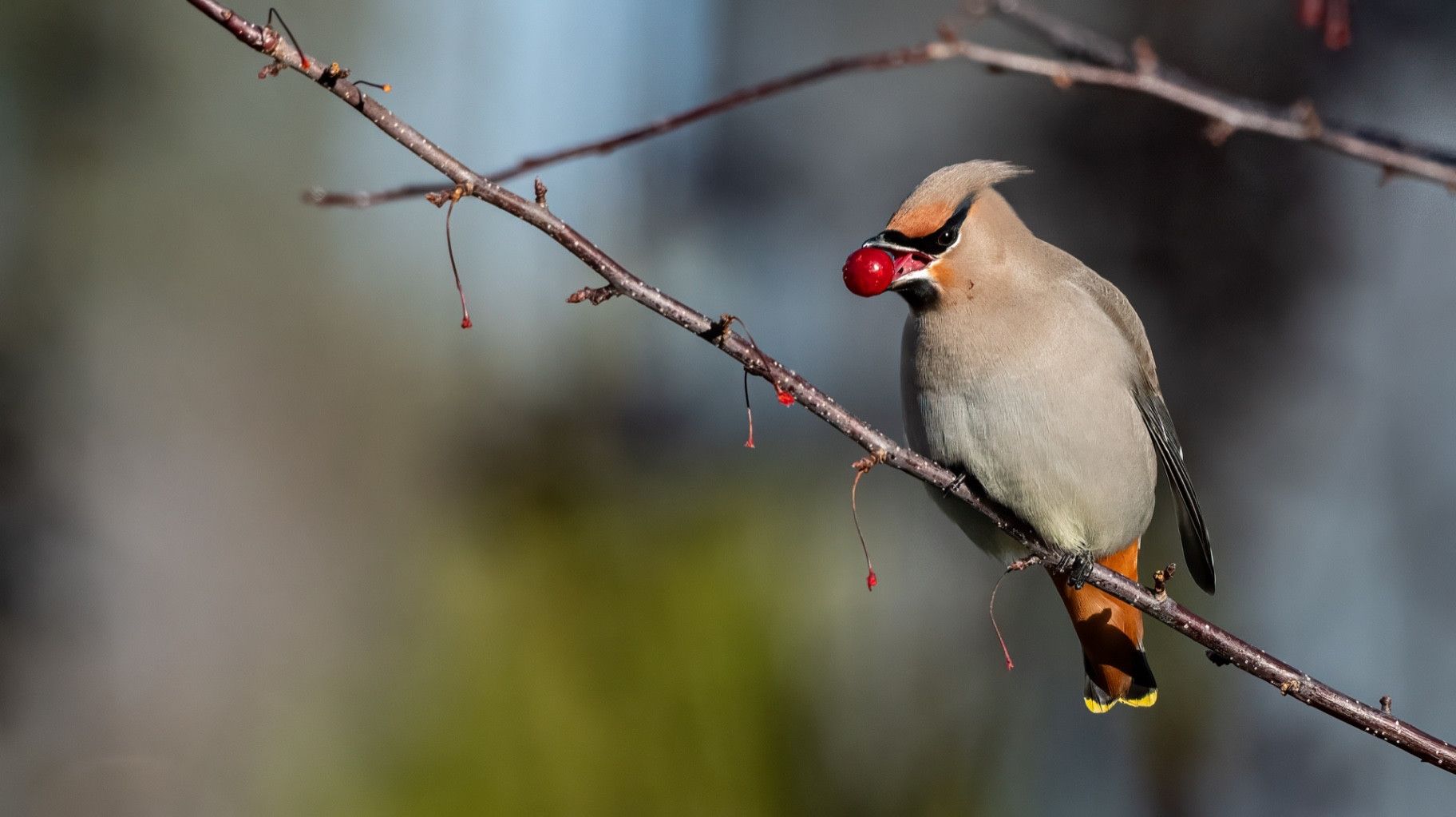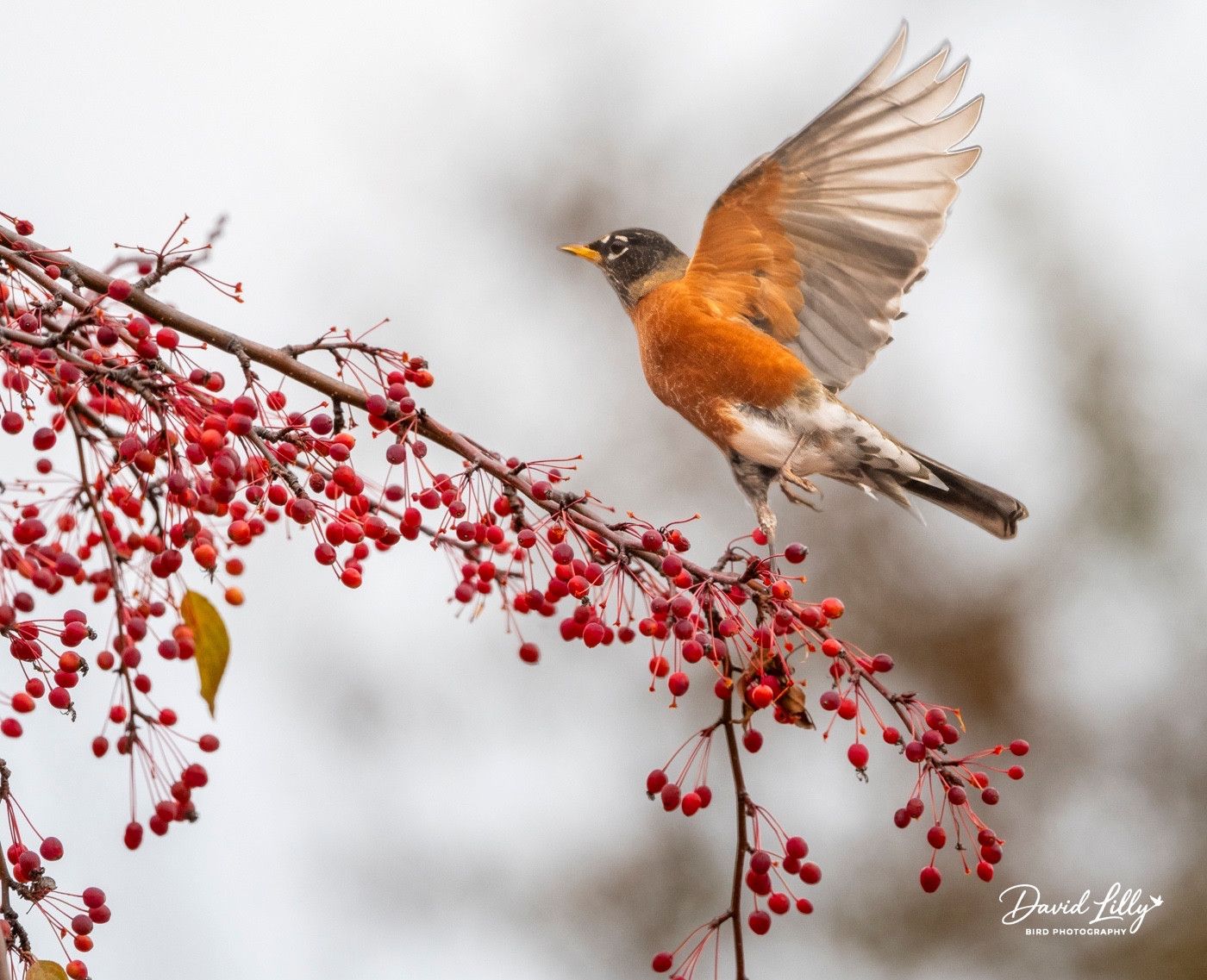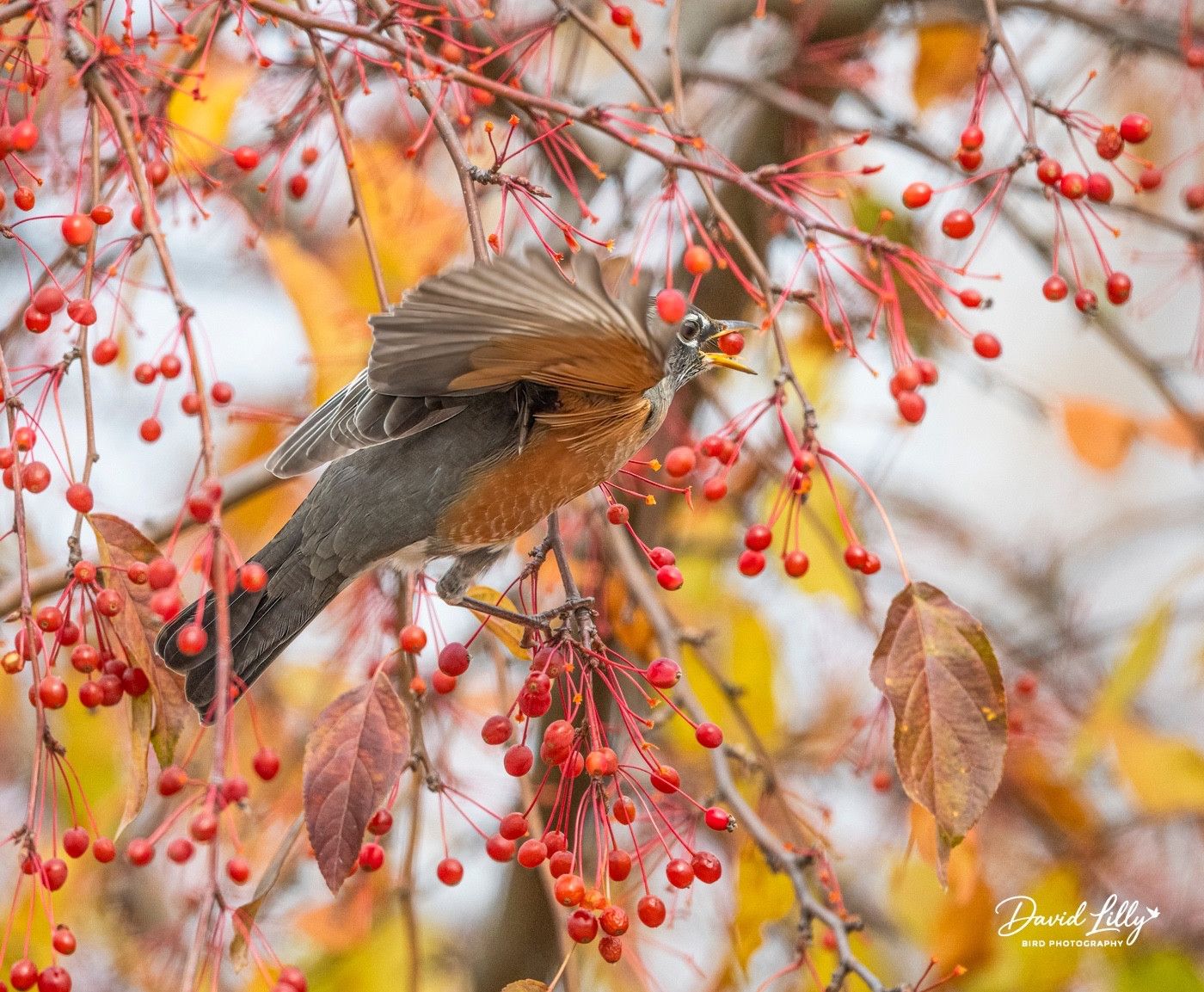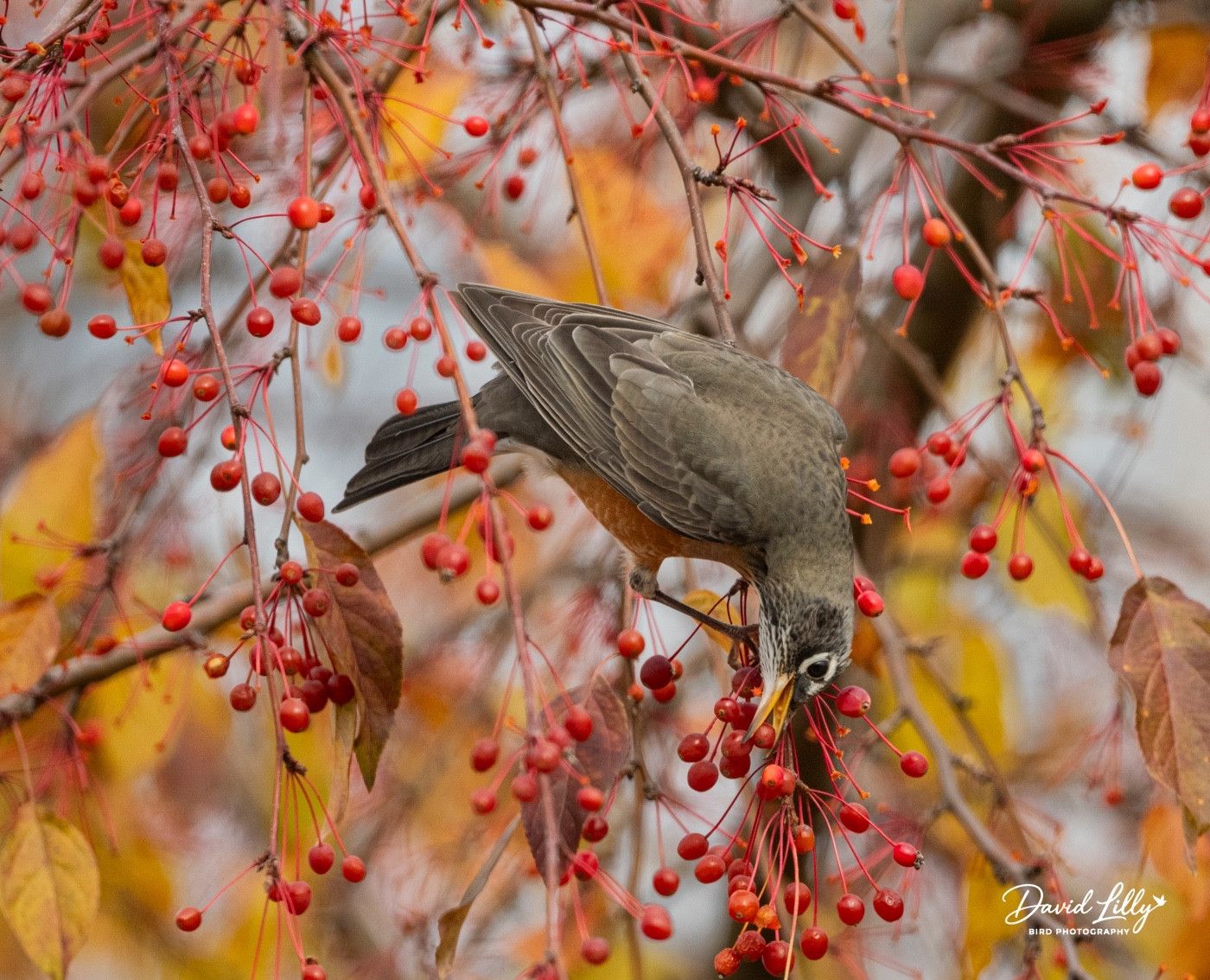
All  Photographs by David Lilly

Some of my Latest Bird Photographs from New Brunswick, Canada. 18 June 2026

Photographing common birds—like American Robins, House Sparrows, Blue Jays, or Mallards—is often overlooked by photographers chasing rare or exotic species. However, focusing on the birds right in your backyard or local park is one of the best ways to sharpen your skills.


Here is why every bird photographer should spend time photographing common birds:

1. Unlimited Opportunities to Practice
Rare birds often give you only a split second for a shot before they disappear. Common birds are abundant and generally more habituated to humans. This gives you the perfect, low-pressure environment to practice the technical fundamentals:

Mastering Autofocus: Perfecting tracking modes on a common bird in flight (like a gull or a pigeon) prepares you for when a rare raptor flies by.

Nailing Exposure: Practicing on high-contrast birds (like a dark Common Grackle or a bright White-breasted Nuthatch) helps you learn how to manage highlights and shadows.

Familiarity with Gear: You can experiment with different camera settings, manual focusing, or new lenses without the fear of ruining a "once-in-a-lifetime" shot.


2. Studying Avian Behaviour
Because common birds are easy to find, you can sit and watch them for hours. This allows you to learn predictive behaviours that apply across many species:

Recognizing the subtle shift in posture right before a bird takes off.

Learning feeding, preening, and mating rituals.

Understanding how birds react to your presence so you can practice your stalking techniques and blinds.


3. The Challenge of Making the "Ordinary" Extraordinary
It takes a high level of creativity to make a compelling image of a bird everyone sees every day. Photographing common birds forces you to move beyond basic documentation and focus heavily on artistic composition:

Lighting: Waiting for golden hour to capture the perfect rim light on a backyard sparrow.

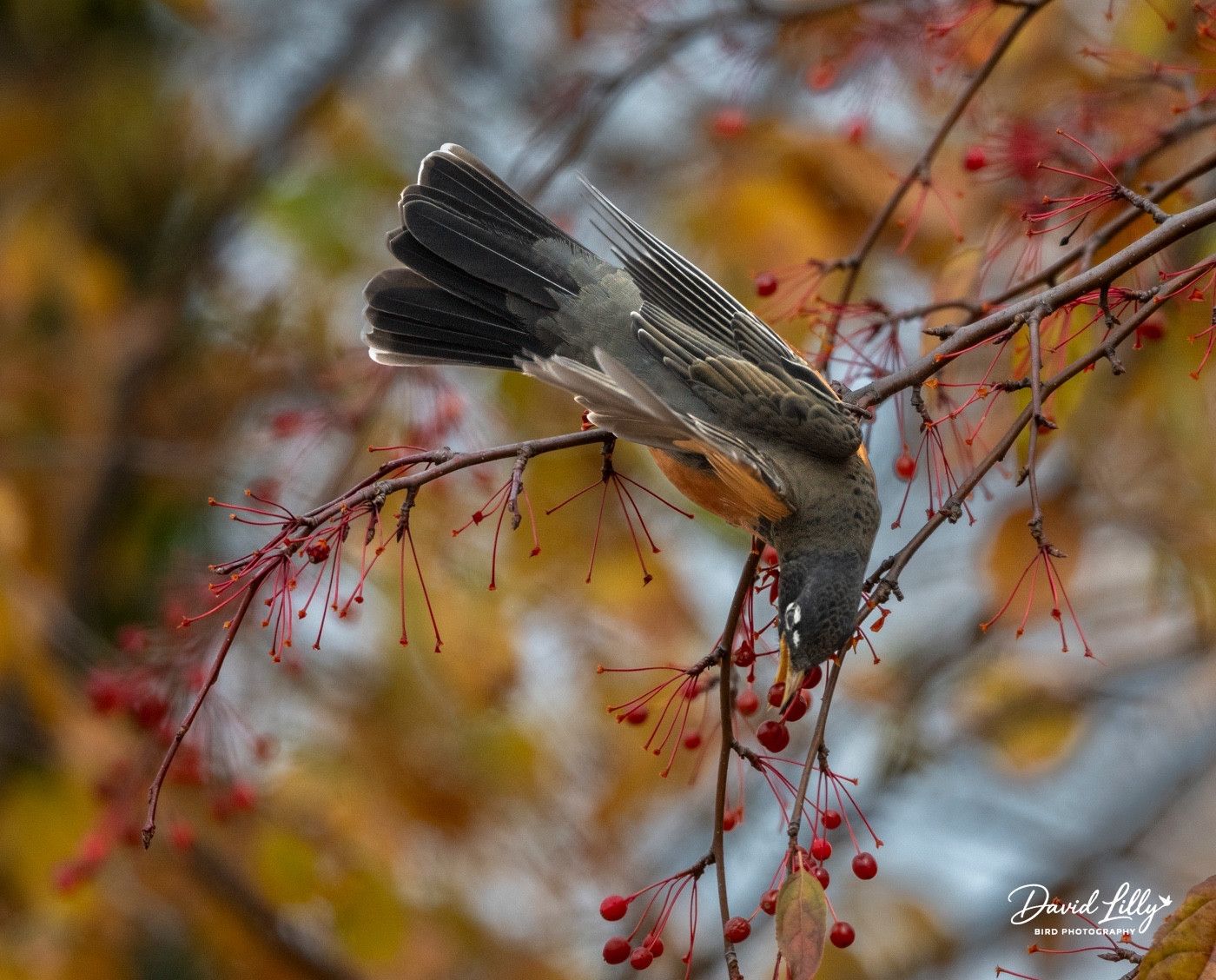
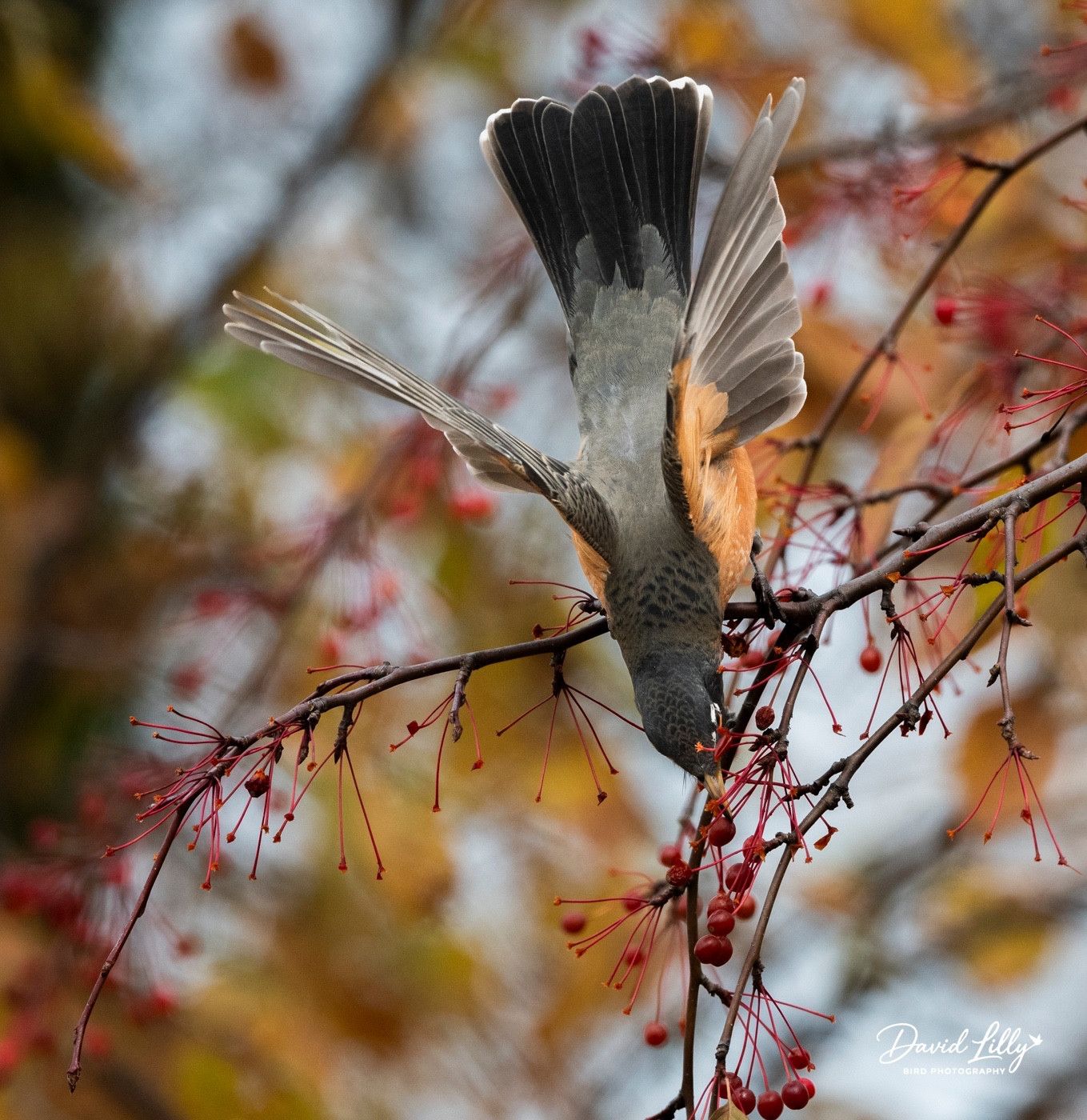
Backgrounds: Finding clean, uncluttered backgrounds or beautiful bokeh to make a standard bird pop.

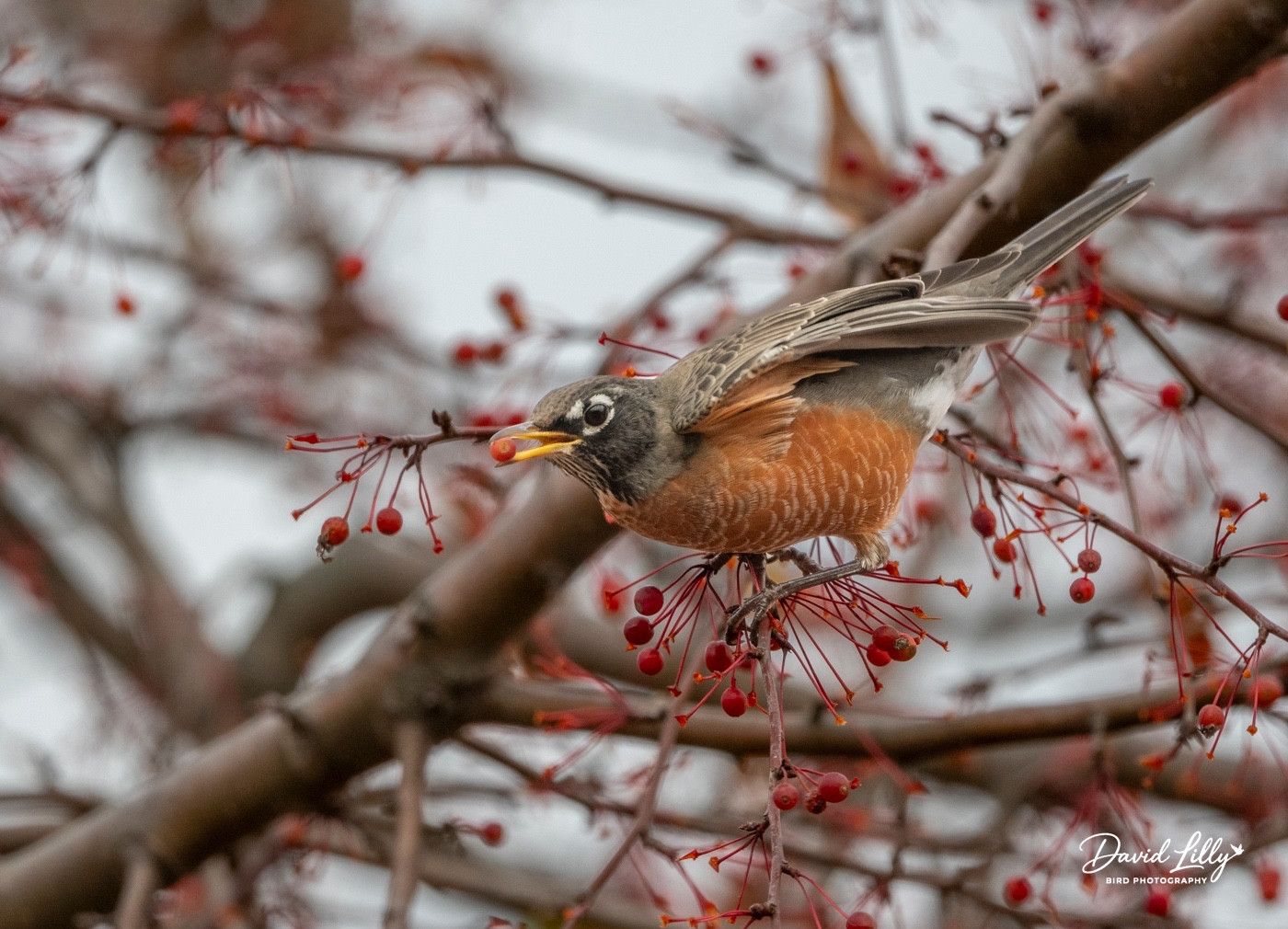
Perspectives: Getting down to eye level on the ground with a robin to create a more intimate, dramatic portrait.


4. Documenting the Complete Story
A stunning photo of a common bird engaged in a unique behaviour—like a Black-capped Chickadee braving a massive snowstorm or a starling capturing an insect mid-air—is often much more visually powerful than a blurry, distant "record shot" of a rare vagrant hidden in a bush.


Tip: I photograph common birds in my local area because I have the time and access required to capture truly perfect lighting, behaviour, and composition.

Photographing Common Birds